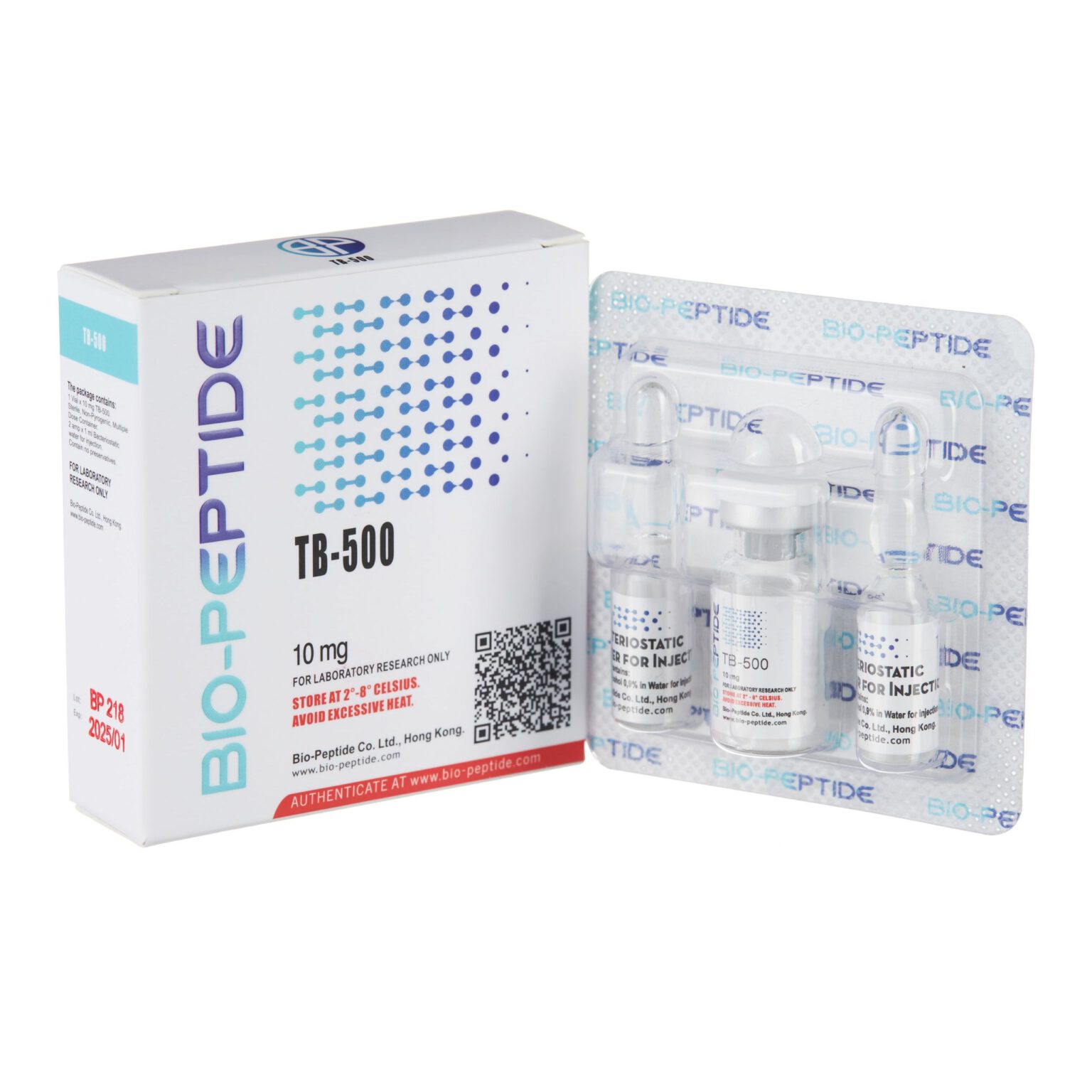
By insisting on peptides that come with verification of pureness and identity, scientists can significantly minimize the danger of speculative artifacts. Conversely, making use of peptides that have actually passed third-party lab validation assists ensure that the observed experimental impacts are genuinely as a result of the designated peptide and not due to contaminants or mistakes. When you see peptides promoted as "research-grade," it describes their meant usage and the level of manufacturing oversight. Research-grade peptides are made for lab research use only-- they are not produced under pharmaceutical GMP requirements and are not suggested for use as therapies or in people. These peptides include a standard quality control package, generally including HPLC pureness analysis and MS verification of identification, guaranteeing they satisfy clinical requirements for purity and make-up.
Quality Assurance For Scientists: Why It Starts With Validation
We can supply expert peptide pureness decision solutions utilizing analytical reversed-phase HPLC paired with mass spectrometry. Each peptide is rigorously checked throughout the logical cycle according to rigorous logical quality control and biosynthetic quality control criteria. HPLC is excellent at addressing the question "how pure is this example by chromatographic area percent? " It does not, by itself, prove that the main top is the designated peptide.
HPLC divides a combination right into its specific components based on how each particle communicates with a specially created column.
For examples of product-level context, compare the anticipated masses for Retatrutide, BPC-157, and Semaglutide.
Mass spectrometry verifies molecular identity by examining whether the determined mass matches the expected peptide mass.
For example, a purity of 98% shows that 98% of the peptide product is the intended product, while the various other 2% may be unwanted residues of synthesis (such as incomplete series or amino acid deletion variations).
Deamidation is one reason storage space problems matter, particularly after a peptide has actually been reconstituted.
Apex Laboratory Content Team
It is an area-percent purity measurement, not a complete identification or activity examination. Importantly, pureness percentages explain chemical composition only-- they do not show sterility or organic suitability. Peptides from Maxed Out Compounds are provided solely for lab research study usage and are not planned for human or veterinary functions. Peptide pureness is normally shared as a percentage, such as 95% or 98%. This number represents just how much of the sample is made up of the desired peptide sequence. For many research laboratory applications, a purity of 95% or higher is thought about research-grade.
Straight from the synthesizer with marginal processing-- usually simply cleavage from the resin and precipitation. Pureness varies commonly, from 40% to 80%+ depending upon sequence size and problem. Unrefined peptides are suitable for applications where pureness isn't critical, such as antibody production or first testing assays Check out the post right here where the target peptide simply needs to be existing, not leading. Closely related to truncations, deletion peptides are full-length chains that are missing one amino acid somewhere in the middle. If topping isn't completely effective, an uncoupled chain can continue to elongate in succeeding actions, producing a peptide that's only one deposit except the target.
Relevant Services
It's feasible to have a peptide that is, say, 95% pure by HPLC and yet the net peptide web content is something like 70% of the powder's weight (the remainder being water and salts). Do not be startled-- this is typical and is generally identified by different evaluations (like amino acid evaluation). Peptide purity is most typically determined by high-performance liquid chromatography (HPLC) with a discovery wavelength of 220 nm, which is optimum for identifying peptide bonds. This method separates peptides from impurities and evaluates both target peptides and contaminants, making certain high-grade samples for research study. Peptide pureness refers to the amount of the right peptide in the peptide product. Nonetheless, for complete quality assessment or the characterization of peptides for a selection of applications, added logical tests are recommended. For example, in order to guarantee success in different peptide experiments, it might be essential to remove trifluoroacetic acid (TFA), or to examine the solubility of hydrophobic peptides before performing the called for experiments. During the detection, we utilize RP-HPLC incorporated with MS to establish the molecular weight of the peptide. The outright amount of the right peptide in a sample is the product of the peptide material and the peptide pureness. BOC Sciences has a top-tier peptide high quality testing platform, integrating advanced analytical innovations and premium instrumentation to provide exact and effective peptide top quality examination services.